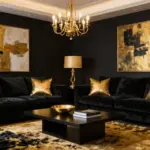
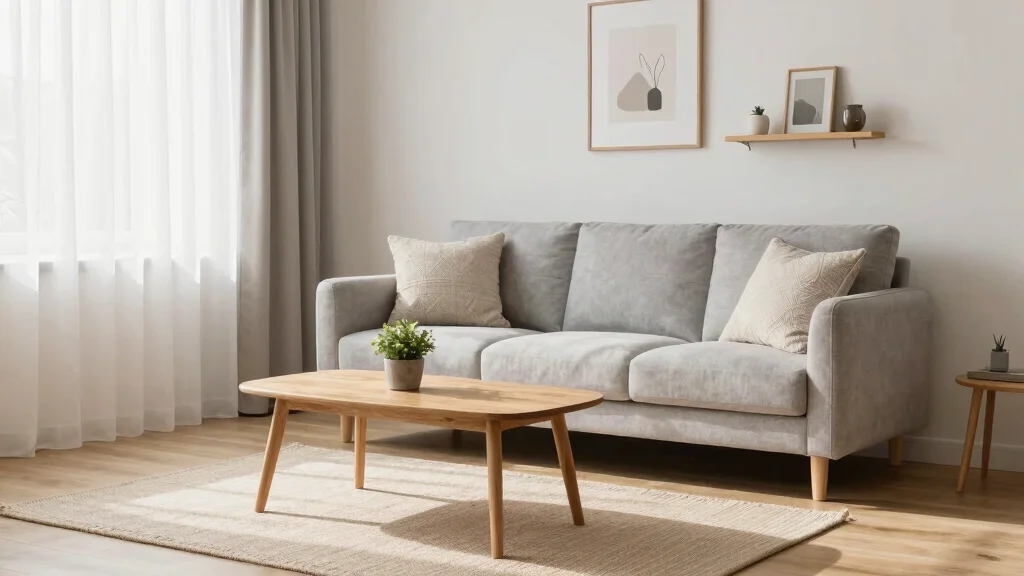
Creating a small living room can feel like a daunting task, especially when you crave a space that feels calm and inviting. I made this post because I know how challenging it is to balance style and functionality in a cozy area. If you’ve been looking for ways to make your small living room feel larger and more serene, you’re in the right place.
This guide is for anyone who loves the simplicity of Scandinavian decor and wants their small living room to reflect that ethos. Whether you’re a busy professional seeking a peaceful retreat or a small family looking to optimize your space, this collection of minimalist small living room ideas will inspire you. You’ll discover how to use a neutral color palette, space-saving furniture, and thoughtful design choices to create a cozy minimalist design that feels like home.
Get ready to explore 12 minimalist small living room ideas that will not only enhance your space but also contribute to a calm atmosphere. From creating cozy reading nooks to utilizing vertical space, each idea is tailored to help you maximize comfort without sacrificing style. Let’s dive in and transform your small living room into a peaceful haven!
Key Takeaways
– Embracing a neutral color palette can visually expand your small living room while creating a soothing environment. Light colors reflect more light and make the space feel airy.
– Incorporating space-saving furniture like multi-functional pieces helps you utilize every inch without cluttering your space. Think about sofas with hidden storage or coffee tables that double as workspaces.
– Creating a cozy reading nook adds warmth and charm. A small chair with a lamp in a quiet corner can become your go-to spot for relaxation.
– Using vertical space effectively can free up floor area and draw the eye upward, making your room feel taller. Consider tall bookshelves or wall-mounted shelves to display decor.
– Incorporating greenery and simple decor can enhance the tranquility of your small living room. Houseplants bring life to your space and improve air quality.
1. Embrace a Neutral Color Palette
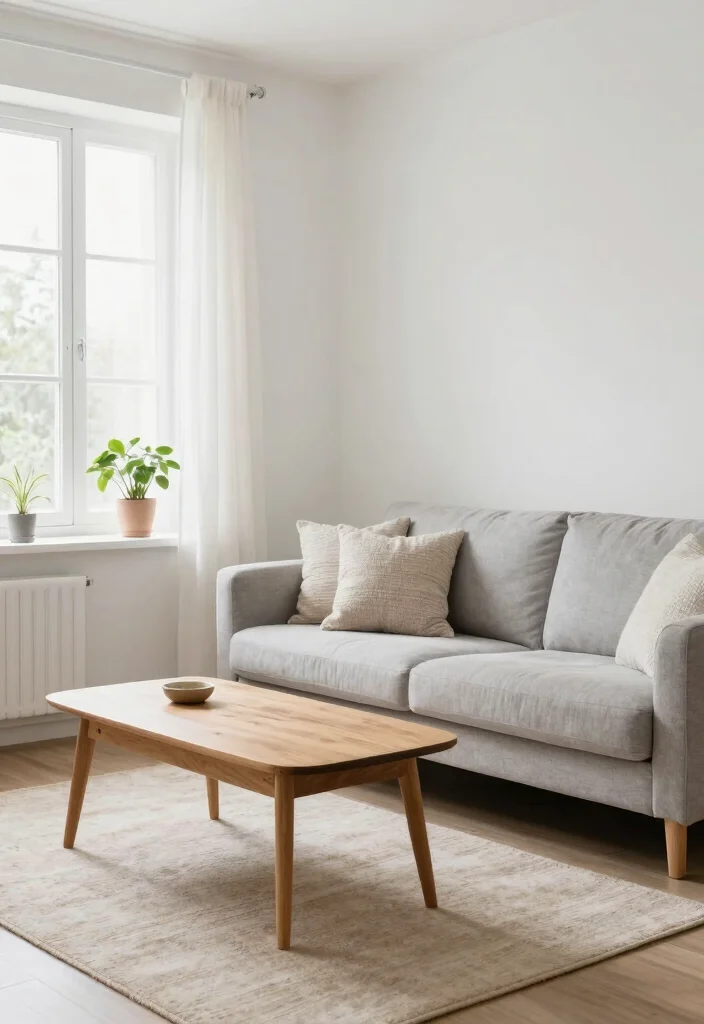
A neutral color palette is a brilliant choice for a small living room, as it creates an airy and spacious feel. Using shades like soft whites, beiges, and gentle grays offers a serene backdrop that effortlessly blends with furniture and decor. Accents in subtle pastels or earthy tones introduce warmth without overwhelming the eye, making the room feel balanced and inviting.
To make the most of this palette, consider practical tips that enhance your space’s aesthetic. Budget-friendly alternatives like paint samples or second-hand furniture can keep costs low while still achieving a cohesive look. This trend not only looks chic but also creates a calming environment where you can unwind.
Here’s how to nail the neutral look:
– Use white or light gray walls to boost brightness.
– Choose furniture in matching tones for harmony.
– Incorporate textures like a knitted throw or soft area rug for depth.
This approach transforms your living room into a tranquil retreat, where textures and materials enhance the overall design.
2. Incorporate Space-Saving Furniture
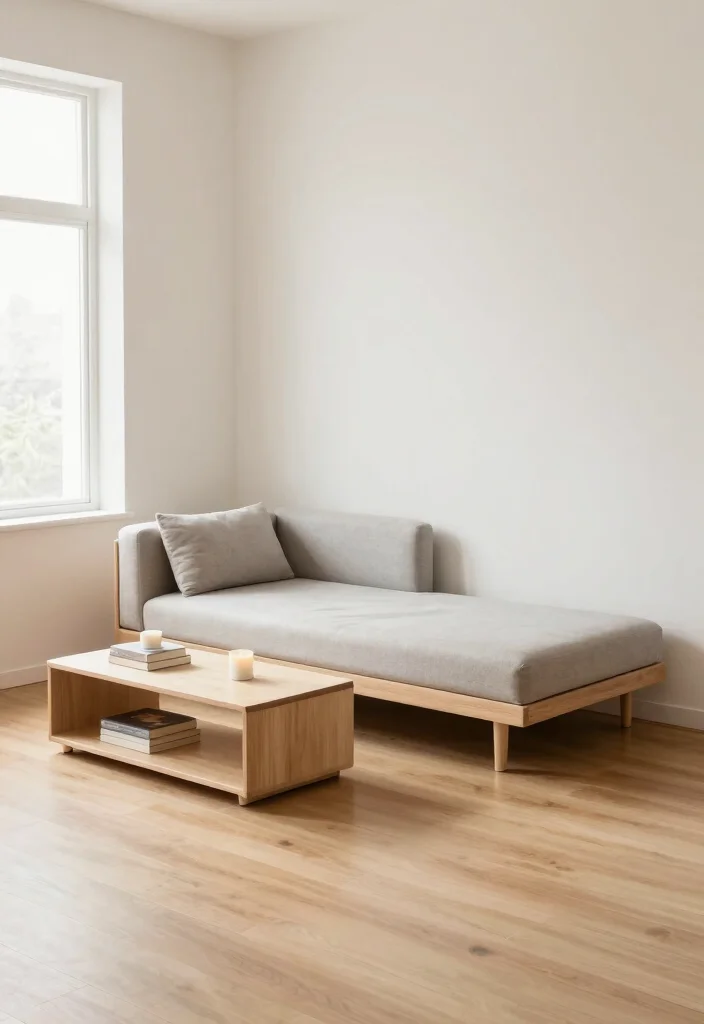
In a small living room, maximizing every square inch is vital, making space-saving furniture a necessity. Look for multi-functional pieces that serve multiple purposes, like a coffee table that offers storage or an ottoman that doubles as extra seating. This smart approach helps you optimize space while keeping it stylish.
To further enhance functionality, consider practical tips that fit your budget. You can find affordable options at thrift stores or online marketplaces. Embracing this trend not only saves space but also fosters a comfortable atmosphere where you can enjoy your living area.
Consider these tips:
– Opt for a sofa bed for occasional guests.
– Use nesting tables that tuck away when not needed.
– Choose a slim console table for efficient storage.
The right furniture choices cultivate a cozy living environment without compromising on style.
Did you know that using space-saving furniture can reclaim up to 20% of a small living room’s floor space? A coffee table with hidden storage and an ottoman that doubles as seating keeps minimalist small living room ideas practical, affordable, and stylish.
3. Create a Cozy Reading Nook
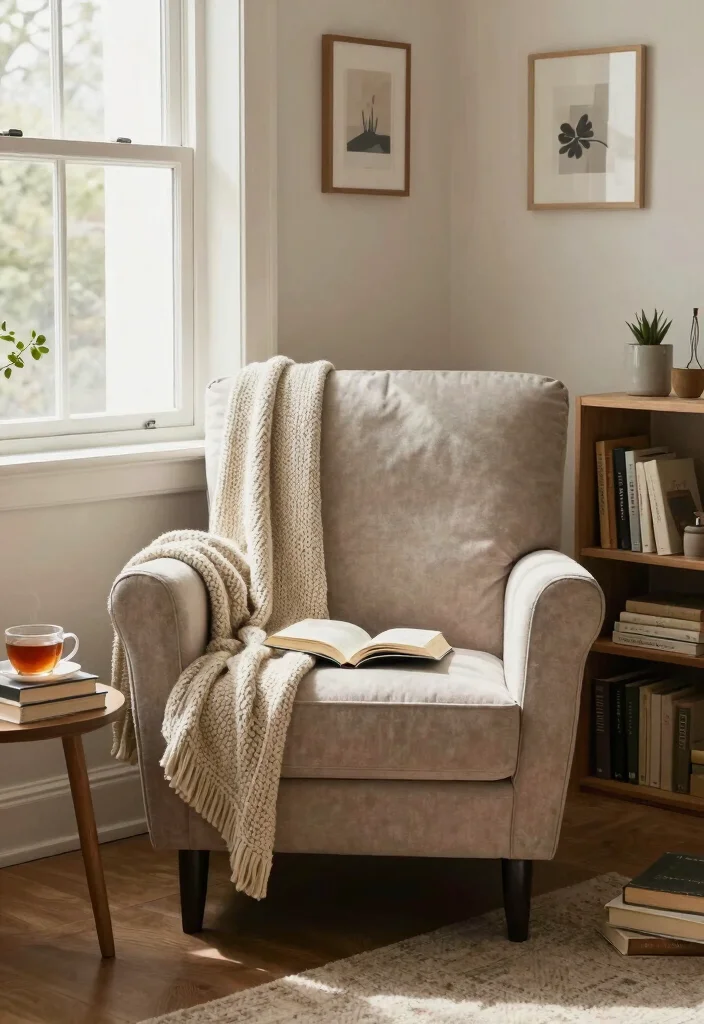
A cozy reading nook can bring warmth and relaxation to your small living room. Position a comfortable armchair in a sunny corner or near a window, and drape a soft throw blanket over it for added comfort. A small side table can hold your favorite books or a warm cup of tea, creating an inviting atmosphere.
To craft the ideal nook, think about practical touches that enhance comfort. You can easily find budget-friendly chairs at local stores or even consider thrifted finds. This trend encourages a peaceful retreat where you can immerse yourself in stories and enjoy some quiet time.
Here’s how to create the perfect nook:
– Use a plush armchair in a soft fabric for ultimate coziness.
– Layer with cushions and a warm throw for extra comfort.
– Add a small bookshelf or a basket for easy book storage.
This corner should feel like your personal escape, inviting you to lose yourself in your favorite tales.
4. Utilize Vertical Space
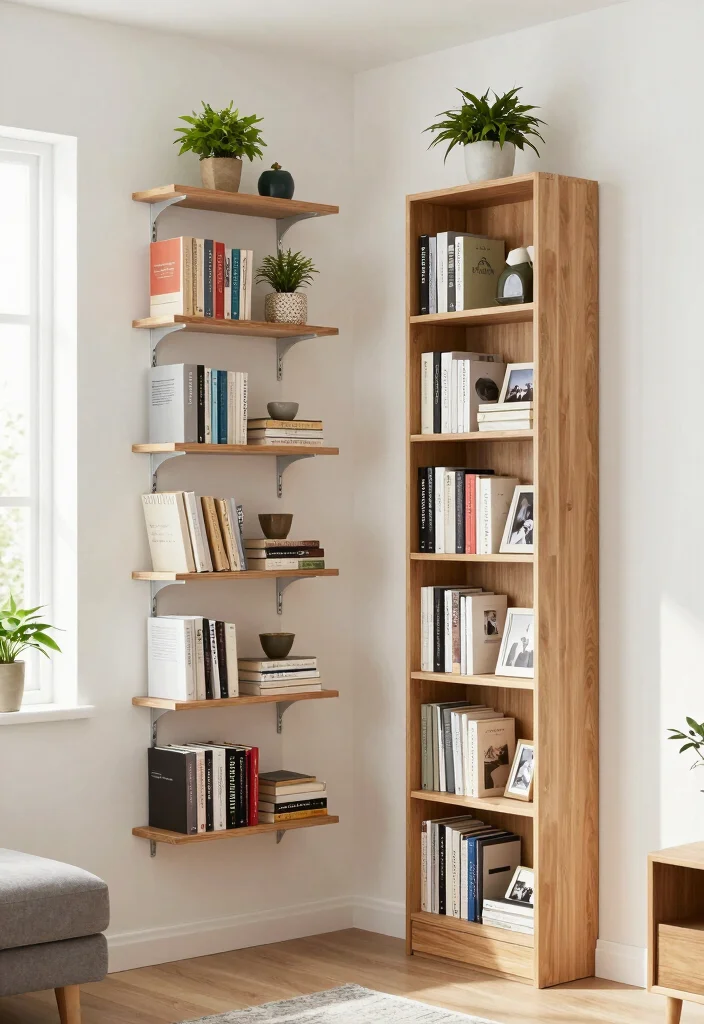
Maximizing vertical space can significantly improve the functionality of a small living room. Installing shelves or wall-mounted storage solutions frees up valuable floor space while displaying your favorite decor. This technique draws the eye upward, creating a sense of height and openness.
To effectively utilize vertical areas, consider practical ideas that enhance organization. You can find affordable shelving solutions at home improvement stores or even build your own. This trend not only adds style but also keeps your living area tidy and visually appealing.
Here are some ideas:
– Use floating shelves to showcase plants or books.
– Hang a pegboard for organizing smaller items creatively.
– Consider tall bookcases that capitalize on your room’s height.
Vertical storage options look stylish while ensuring your space remains clutter-free and organized.
Fun fact: vertical storage can reclaim up to 40% of floor space in a small living room. With minimalist small living room ideas, install shelves or wall-mounted units to keep essentials visible and floors clear. Measure your walls, start simple, and build up—your space will feel calmer and more functional.
5. Opt for Natural Light
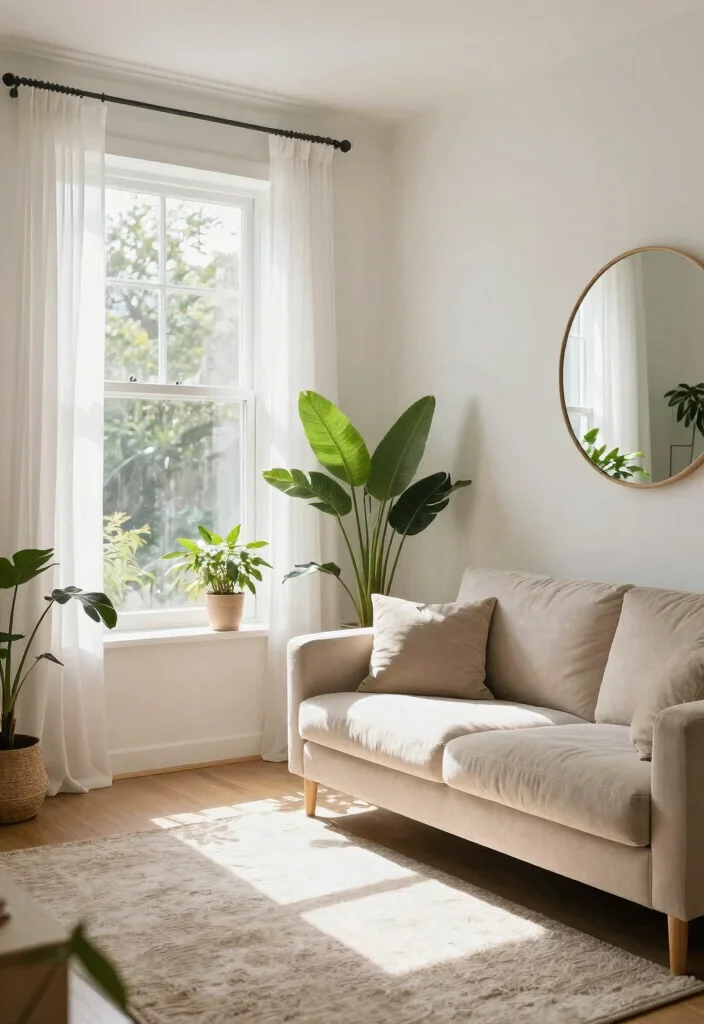
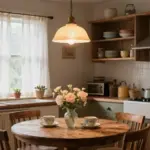
Natural light has a remarkable ability to make small spaces feel more open and inviting. By maximizing light in your living room, you enhance the minimalist aesthetic, creating a calm and peaceful environment. Choose sheer curtains or blinds that allow sunlight to filter through while providing privacy.
To effectively bring in light, consider practical tips that are achievable on a budget. Simple changes like rearranging furniture or adding mirrors can amplify the effect. Harnessing this trend is essential for cultivating a warm and serene atmosphere in your space.
Consider these practical tips:
– Position mirrors strategically to reflect light and expand the room.
– Choose light-colored furniture that reflects more light.
– Keep window areas clean and unobstructed for maximum sunlight.
Embracing natural light enhances the overall ambiance, making your living room a warm and inviting haven.
Opt for Natural Light
Editor’s Choice




6. Incorporate Greenery
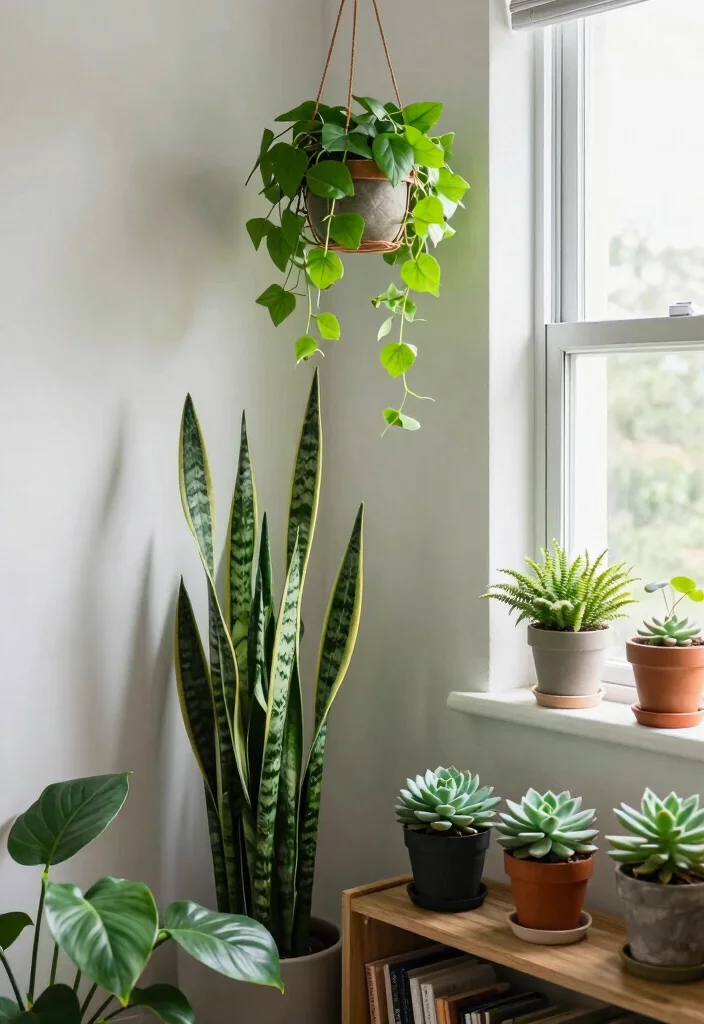
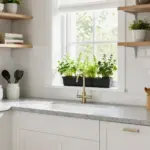
Bringing plants into your small living room can dramatically elevate its calming vibe. Plants not only purify the air but also infuse natural beauty and a splash of color without overwhelming the decor. For smaller spaces, opt for low-maintenance choices like succulents, snake plants, or pothos that thrive in varying light conditions.
To effectively integrate greenery, consider practical tips that suit your lifestyle. You can find budget-friendly plants at local nurseries or even propagate your own. This trend fosters a lively atmosphere, perfect for relaxation and rejuvenation.
Here are some tips:
– Use hanging planters to save valuable floor space.
– Group plants at varying heights for visual appeal.
– Consider a single statement plant for a bold focal point.
Bringing in greenery creates a peaceful and vibrant atmosphere, enhancing your living space beautifully.
7. Keep Decor Simple
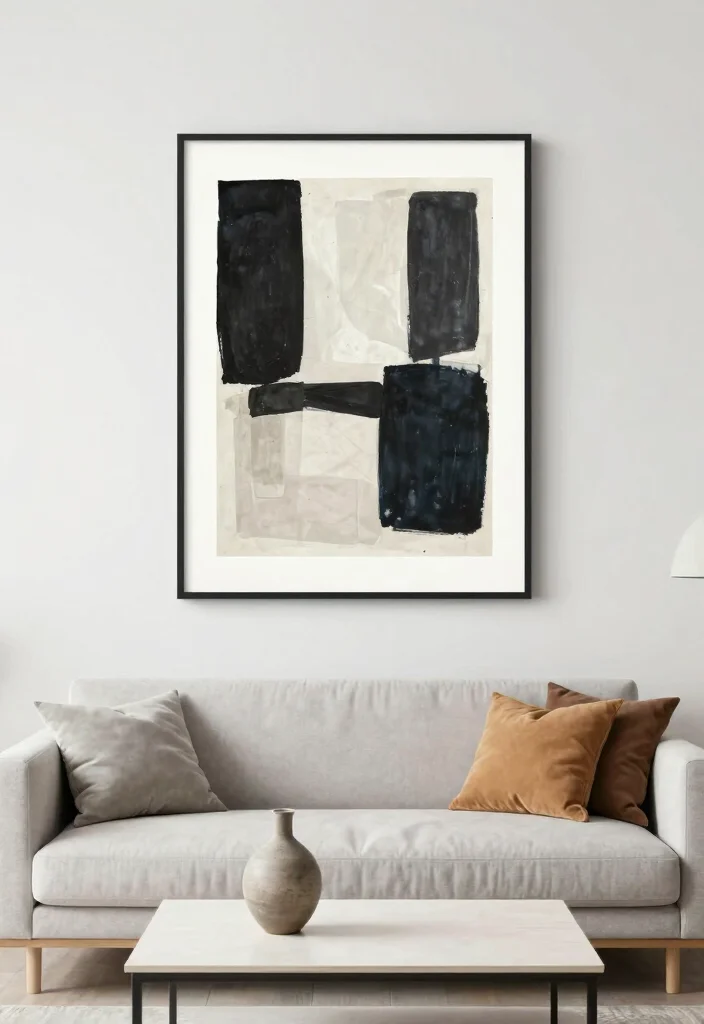
In minimalist design, the mantra ‘less is more’ rings true. Keeping decor simple ensures your small living room feels uncluttered while maintaining elegance. Select a few key pieces that showcase your personal style and establish a focal point, such as artworks, statement vases, or unique sculptures that spark conversation.
To achieve a minimalist decor style, consider practical strategies that prevent overcrowding. You can find impactful pieces at thrift stores or artisan markets that reflect your taste. This approach allows you to enjoy a serene living environment without sacrificing your personal touch.
Here’s how to achieve a simple decor style:
– Limit the number of decorative items to maintain order.
– Select larger, impactful pieces instead of many small items.
– Create a gallery wall with a few curated art pieces.
Emphasizing simplicity fosters a clean, tranquil living space that remains inviting.
Keep Decor Simple
Editor’s Choice


8. Layer Textures for Comfort
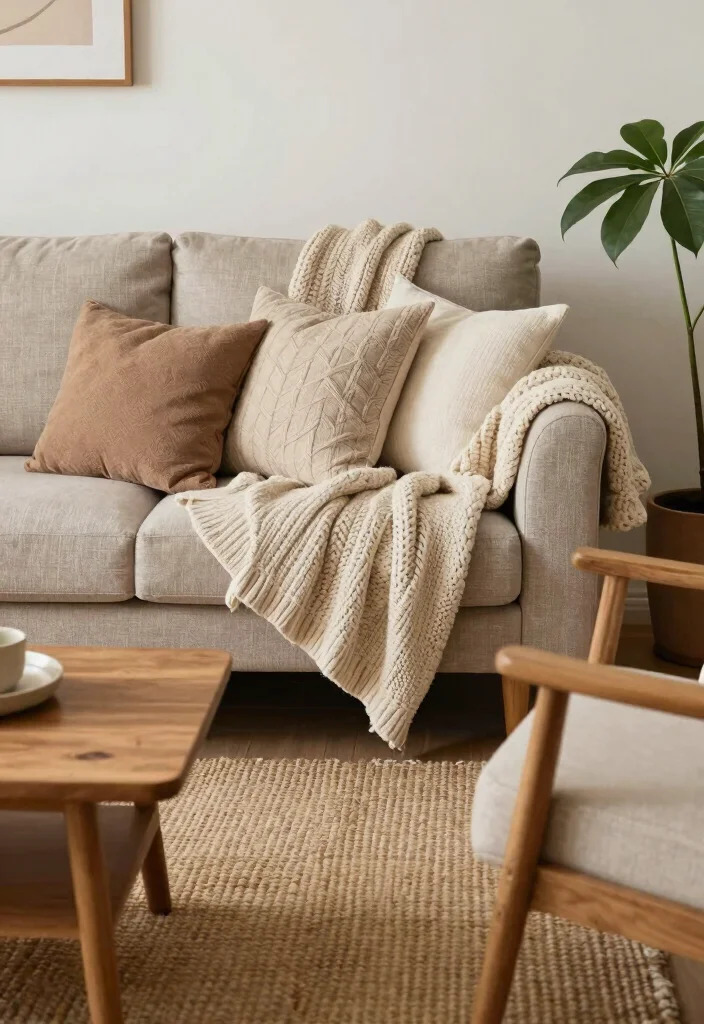
Layering textures can significantly enhance the coziness of your minimalist small living room. Incorporating various materials like soft linens, warm woods, and woven fibers adds depth and interest while preserving a calming atmosphere. Textured elements help to warm up the space, making it more inviting for you and your guests.
To effectively layer textures, consider practical ideas that are easy to implement. You can mix and match textiles from budget-friendly stores or even repurpose items you already own. This trend creates a cozy haven, inviting you to unwind and relax.
Here are some great ways to layer textures:
– Use a mix of fabrics like cotton, wool, and linen for cushions.
– Add a jute or woven rug for an earthy touch.
– Include natural wood elements in furniture or decor pieces.
This interplay of textures transforms your space into a snug retreat that welcomes you to relax.
Layer Textures for Comfort
Editor’s Choice


How To Choose Space-Saving Furniture for Your Minimalist Small Living Room
Choosing the right space-saving furniture can transform your small living room into a functional and stylish haven. With the right pieces, you can maximize your space while maintaining a calm, minimalist vibe. Here’s how to ensure you pick the right furniture for your cozy retreat.
1. Measure Your Space
Before you even start shopping, grab a tape measure. Measure the dimensions of your living room, noting the length and width of walls and any potential pathways. This will help you avoid oversized items that can crowd your space. Remember, every inch counts in a small room, so also take note of doorways and windows to ensure your chosen furniture won’t block any access points.
2. Consider Multi-Functional Pieces
Look for furniture that serves multiple purposes. A sofa bed, for example, can function as your main seating area during the day and transform into a guest bed at night. Another great option is a coffee table that doubles as storage. These pieces not only save space but also reduce clutter, aligning perfectly with the minimalist aesthetic.
3. Opt for Lightweight and Mobile Options
Heavy, bulky furniture can weigh down your space. Instead, look for lightweight options that are easy to move around. This allows you to rearrange your living room as needed, creating a flexible environment. Consider chairs with thin frames or even foldable furniture that can be tucked away when not in use.
4. Choose a Neutral Color Palette
Select furniture in light or neutral colors to create an airy feel. Sofas and chairs in soft whites, beiges, or light greys can help open up the space. These shades reflect light, making your room appear larger and more inviting. You can add accents through cushions or throws for a touch of color without overwhelming the space.
5. Think About Storage Solutions
Storage is key in a small living room. Look for pieces that offer built-in storage, like ottomans or benches with hidden compartments. Shelving units can also help organize your items without taking up too much floor space. Consider vertical storage solutions to keep essentials at hand while keeping the floor area clear.
6. Prioritize Comfort and Style
Even though you want to optimize space, comfort should remain a priority. Choose pieces that are cozy and inviting. A stylish armchair or a plush sofa will invite you to relax after a long day. Just make sure they fit well with your overall minimalist design, maintaining harmony within the space.
Pro Tip: Always visualize how the furniture will work in your space. Use painter’s tape to mark out dimensions on the floor, allowing you to see how different pieces will fit before making a purchase. This simple trick can help you avoid costly mistakes and ensure that your furniture truly enhances your minimalist small living room.
9. Choose Minimalist Lighting
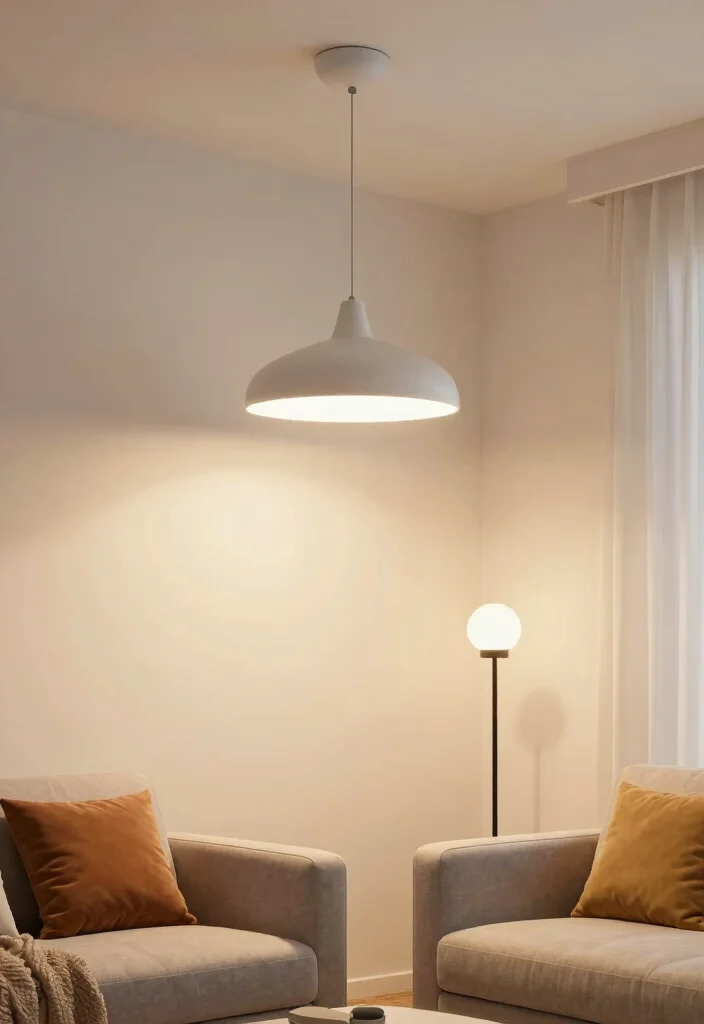
Lighting plays a pivotal role in shaping the mood of your living space. In a minimalist small living room, select light fixtures that complement the decor without overwhelming it. Consider pendant lights or sleek floor lamps with clean lines that contribute to a serene atmosphere.
To choose the right lighting, think about practical solutions that suit your style. You can explore options at local lighting stores or online retailers that fit your budget. The right lighting not only enhances decor but also creates a calm environment where you can relax.
Here’s how to pick the right lighting:
– Opt for warm white bulbs to create a soft ambiance.
– Use dimmable lights to adjust brightness to your mood.
– Consider a statement pendant light as a focal point.
The right lighting adds character while promoting a calm and relaxing environment.
Fun fact: In a minimalist small living room, choosing LED pendant lights and sleek floor lamps can cut energy use by up to 40% while enhancing mood with clean lines. Small changes, big calm.
10. Incorporate Personal Touches
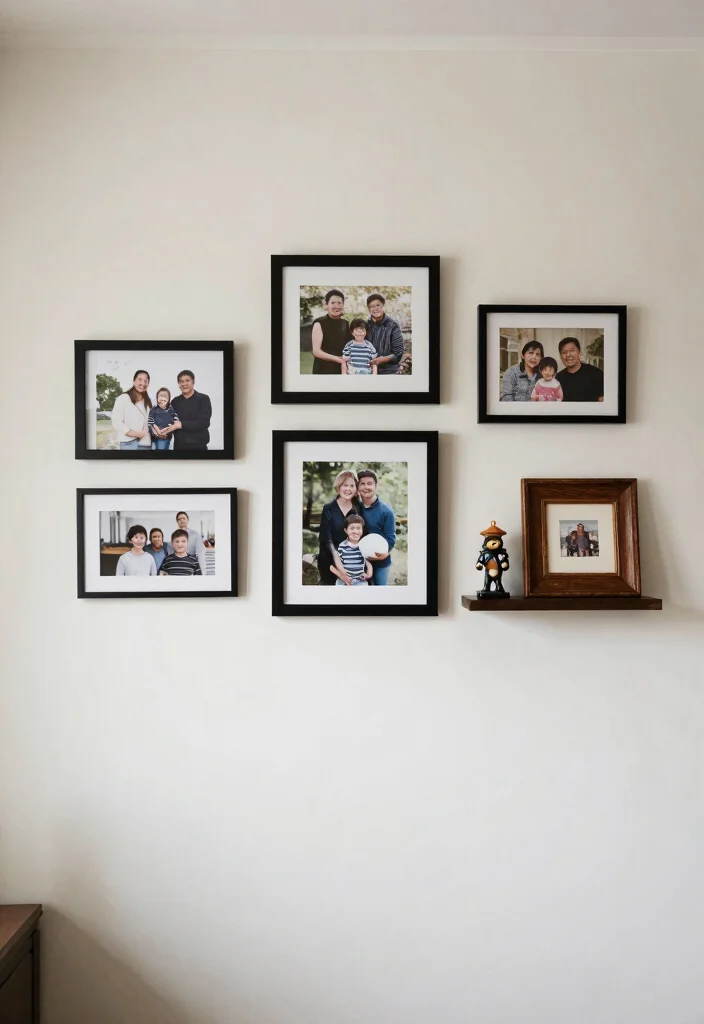
In minimalist design, personal touches are essential for making a space feel like home. Whether it’s a cherished family photo, a unique souvenir from travels, or a piece of art you’ve created, these elements add warmth and tell your story. It’s important to keep personal items minimal to avoid clutter while still showcasing your personality.
To balance personal touches with a minimalist approach, think about practical ways to display your memories. You can curate a small selection of items that resonate with you and find budget-friendly frames or display options. This careful curation creates a space that feels both personal and calming.
Consider these ideas:
– Display a small photo gallery with favorite memories.
– Choose a few unique items that resonate with you.
– Balance personal items with negative space to maintain simplicity.
This thoughtful approach results in a living space that feels inviting and distinctly yours.
Incorporate Personal Touches
Editor’s Choice


11. Create Zones in a Small Space
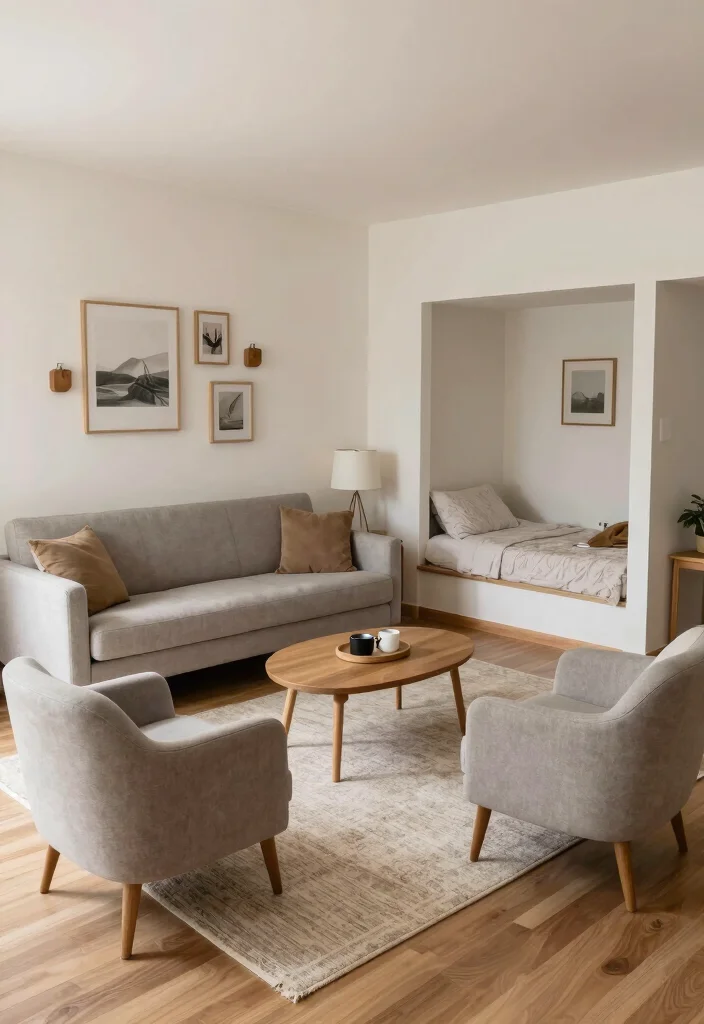
Creating zones in a small living room can define areas for relaxation, reading, or entertaining. Using rugs to delineate spaces or arranging furniture strategically enhances the functionality of your room. This method adds visual intrigue to your decor while promoting a sense of flow.
To effectively create zones, consider practical tips that suit your layout. You can use area rugs or furniture placement to achieve distinct areas without overwhelming the space. This approach emphasizes a minimalist style while enhancing the usability of your living area.
Here are some tips:
– Use area rugs to define different zones.
– Position furniture to create lounging and socializing areas.
– Keep walkways clear to maintain openness.
This intentional arrangement can enhance the flow of your space while highlighting a minimalist aesthetic.
Create Zones in a Small Space
Editor’s Choice


12. Use Mirrors for Illusion of Space
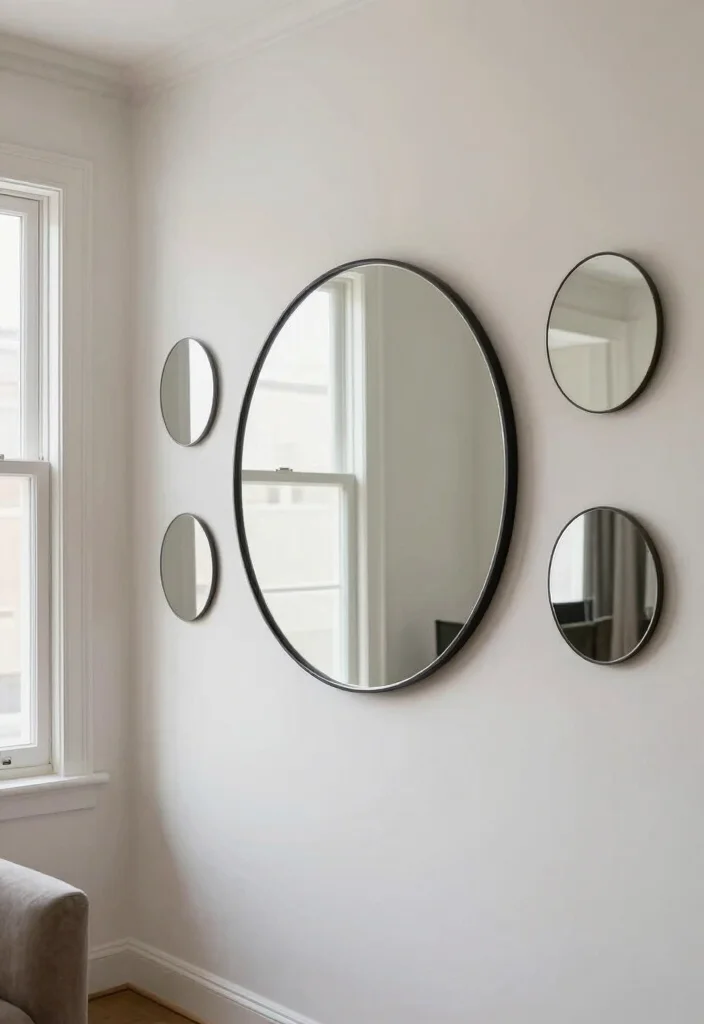
Mirrors are an excellent tool for small living rooms, creating the illusion of space and amplifying light. A well-placed mirror can make your room feel larger while adding a stylish element to your decor. Consider various sizes and shapes, from large statement mirrors to a gallery of smaller ones that complement your style.
To effectively use mirrors, think about practical placements that optimize their benefits. You can find affordable options at home goods stores or second-hand shops. This approach not only enriches your decor but also enhances the overall brightness and feel of your space.
Here are effective ways to use mirrors:
– Place a large mirror opposite a window to reflect light.
– Use decorative mirrors as art pieces on the wall.
– Group smaller mirrors in a gallery style for an artistic effect.
Mirrors not only enrich your decor but also amplify the brightness and openness of your room.
Conclusion
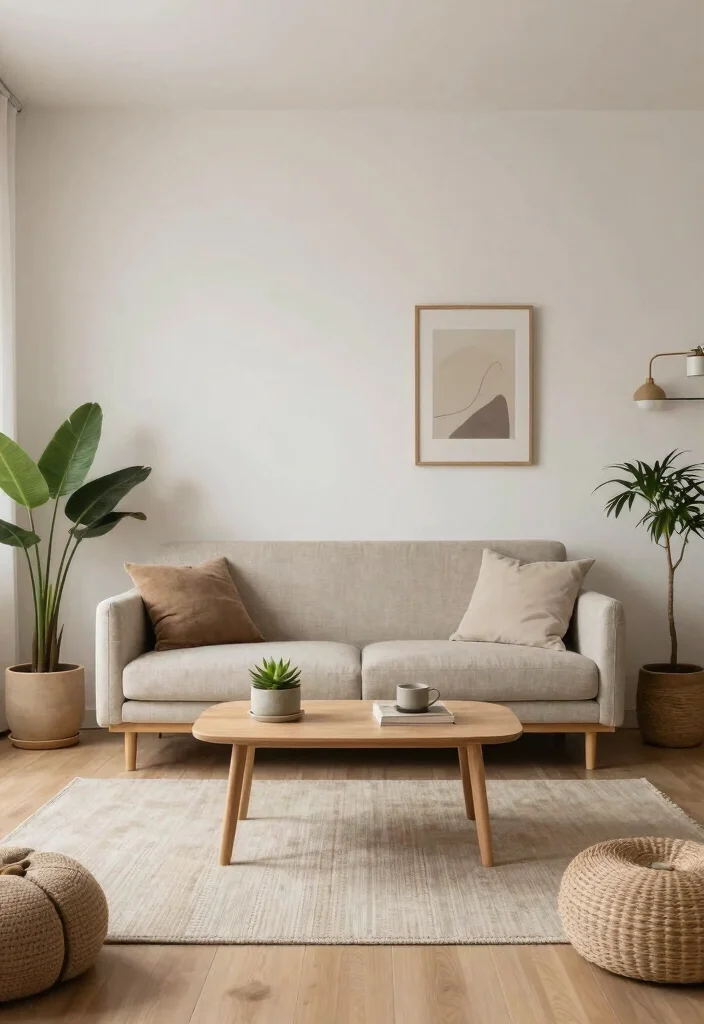
Designing a minimalist small living room can create a serene haven that feels welcoming and tranquil.
By embracing a neutral color palette, incorporating space-saving furniture, and layering textures, your space can become a reflection of your personal style while promoting relaxation.
Whether you choose to add greenery or focus on natural light, each element plays a vital role in crafting a cozy atmosphere. Let these ideas inspire your journey to create a peaceful living environment.
Note: We aim to provide accurate product links, but some may occasionally expire or become unavailable. If this happens, please search directly on Amazon for the product or a suitable alternative.
This post contains Amazon affiliate links, meaning we may earn a small commission if you purchase through our links, at no extra cost to you.
Frequently Asked Questions
What are the best space-saving furniture ideas for a minimalist small living room?
Great space-saving furniture choices can dramatically improve a small living room. Look for a sofa with built-in storage, a fold-out coffee table, nesting side tables, and wall-mounted media units to keep floors clear. Use vertical solutions like tall shelves and floating cabinets to draw the eye up. Choose pieces with clean lines and light wood to fit scandinavian decor and the neutral color palette you want. Finally, plan a layout that leaves negative space for breathing room and easy movement.
How can I create a calm neutral color palette in a Scandinavian-inspired small living room?
To create a calm neutral color palette in a scandinavian decor inspired space, start with white or light-gray walls and warm wood accents. Layer textures—wool, linen, cotton—in neutral tones to add depth without adding color. Keep larger surfaces light and use pops of muted hues (dusty blues, soft greens) sparingly in cushions or art. The result is a soothing, cohesive look that feels bright and serene.
What are the most effective small-room organization tips to keep a minimalist living room clutter-free?
Small-room organization is key to a serene look. Use space-saving furniture with hidden storage, like ottomans or benches, and go vertical with tall shelves to free floor space. Choose a few well-chosen baskets or boxes to corral clutter, and keep cables tidy with cable covers or under-desk management. Create dedicated zones (sitting, media, reading) and do a quick daily tidy to maintain a clutter-free, cozy minimalist design.
What lighting strategies help a tiny Scandinavian-inspired living room feel bigger and calmer?
Lighting can make a tiny space feel larger and calmer. Layer lighting: ambient overhead, task lighting for reading, and gentle accent lights. Choose warm white bulbs (2700–3000K) to keep the mood cozy. Use slim floor lamps, wall sconces, and a mirror or two to reflect light. Keep window treatments light and airy to maximize natural light while maintaining a neutral color palette that stays bright.
How can I make a minimalist small living room feel cozy without sacrificing simplicity?
To keep a cozy minimalist design vibe in a small living room, mix texture and natural materials: a chunky knit throw, a soft rug, and wood accents. Add a few scandinavian decor touches like light wood furniture and simple plants. Limit color and decor to a few well-chosen pieces so the room breathes. Finally, bring in greenery and tactile textiles to feel warm without clutter.