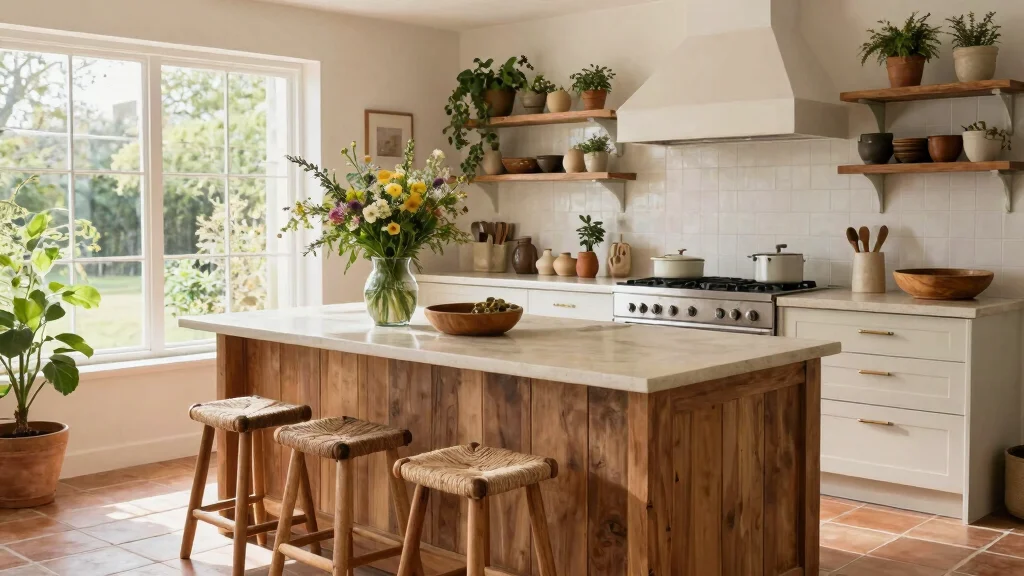
Creating a warm and inviting kitchen can feel like a daunting task, especially when you want to keep it natural and sustainable. That’s why I’ve put together this guide. We’re all looking for ways to make our homes feel more connected to nature, especially in spaces where we gather to cook and share meals. This collection of natural kitchen ideas will help you incorporate organic touches that not only beautify your space but also promote a healthier environment.
If you’re someone who cares about eco-friendly practices and loves to create a cozy atmosphere in your home, you’re in for a treat. These ideas are perfect for anyone who wants to embrace a warm color palette, rustic kitchen design, and sustainable materials without sacrificing style. You’ll discover practical, actionable ways to refresh your kitchen while showcasing your commitment to sustainability.
In this post, I’ve rounded up 12 natural kitchen ideas that bring a soothing vibe into your cooking space. From reclaimed wood cabinets to indoor herb gardens, each idea is designed to inspire you. You’ll leave with a wealth of inspiration and the tools to create a kitchen that feels like a true sanctuary, perfect for cooking, gathering, and enjoying life’s simple pleasures.
Key Takeaways
– Reclaimed Wood Cabinets: Opt for cabinets made from reclaimed wood to add warmth and a rustic touch while supporting sustainability efforts.
– Eco-Friendly Countertops: Consider using materials like bamboo or recycled glass for your countertops, which are both beautiful and environmentally friendly.
– Warm Color Palette: Use earth tones and soft hues to create a cozy ambiance. Colors like terracotta and sage green can enhance the natural feel of your kitchen.
– Natural Fiber Rugs: Incorporate rugs made from jute or sisal to add texture and comfort underfoot, while also being biodegradable and stylish.
– Indoor Herb Gardens: Start a small herb garden in your kitchen to bring greenery indoors. This not only enhances the decor but provides fresh herbs for cooking.
1. Reclaimed Wood Cabinets
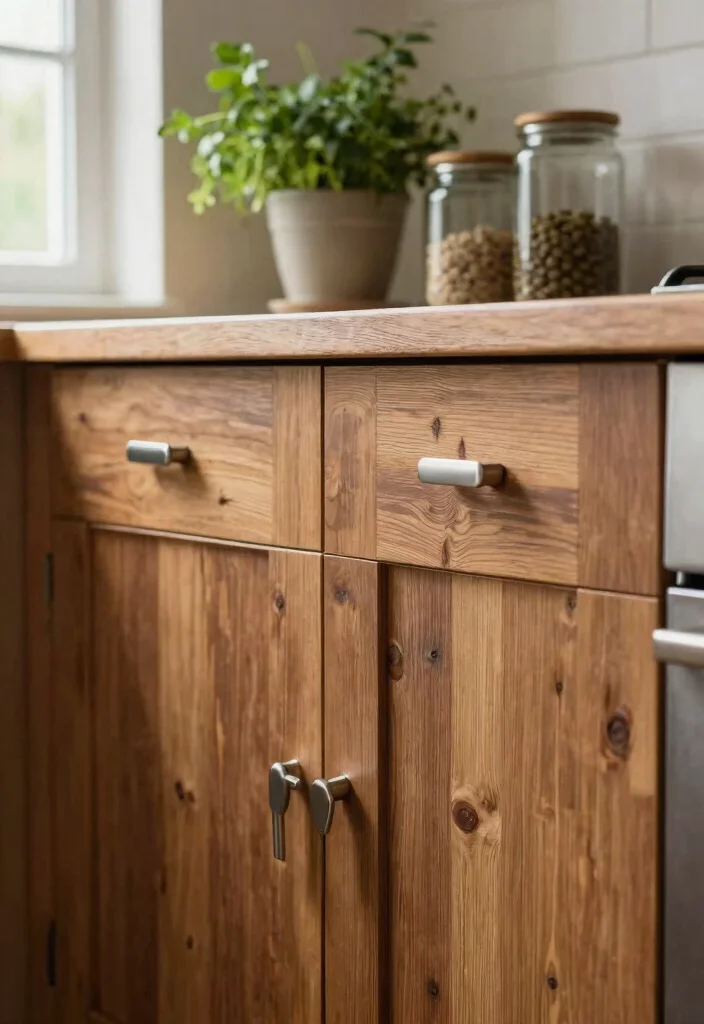
Reclaimed wood cabinets offer a beautiful, rustic charm that naturally warms up your kitchen. Their unique textures and rich history create visual interest, while colors can range from deep mahogany to light oak, making it easy to find the perfect match for your warm color scheme. This sustainable choice not only adds character but also contributes to eco-friendly living by reducing waste.
Mixing reclaimed wood with modern hardware can create a lovely contrast between rustic and contemporary styles. Pairing these cabinets with open shelving allows you to showcase eco-friendly kitchenware in an eye-catching way.
Consider these ideas to enhance your kitchen with reclaimed wood:
– Pair reclaimed wood cabinets with sleek metal handles
– Install open oak shelving to display beautiful dishes
– Use butcher block countertops for a cohesive look
This design choice brings warmth and sophistication to your space. The unique grains and textures of reclaimed wood enhance the overall aesthetic, making your kitchen feel inviting and lived-in.
Reclaimed Wood Cabinets
Editor’s Choice




2. Eco-Friendly Countertops
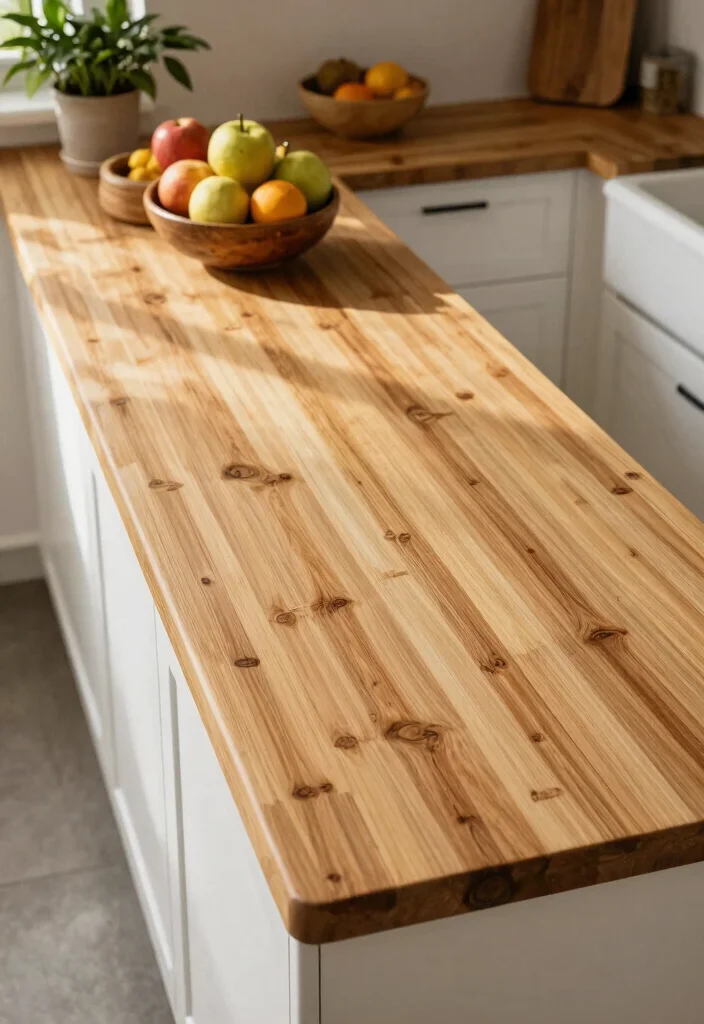
Opting for eco-friendly countertops can significantly elevate both the look and sustainability of your kitchen. Materials like bamboo, recycled glass, and quartz make stunning choices, combining beauty with environmental consciousness. Bamboo stands out as a renewable option due to its rapid growth, offering a stylish and responsible choice.
These countertops not only enhance your kitchen’s aesthetic but also serve as functional focal points. Pair bamboo with white cabinetry for a fresh vibe or choose recycled glass for a burst of color and creativity.
Maximize your eco-friendly countertops with these tips:
– Pair bamboo with contrasting white cabinetry for balance
– Incorporate recycled glass for a pop of color
– Use quartz for a durable, low-maintenance solution
This approach creates a striking visual appeal while promoting sustainability. The natural beauty of these materials can transform your kitchen into a serene and stylish environment.
3. Warm Color Palette
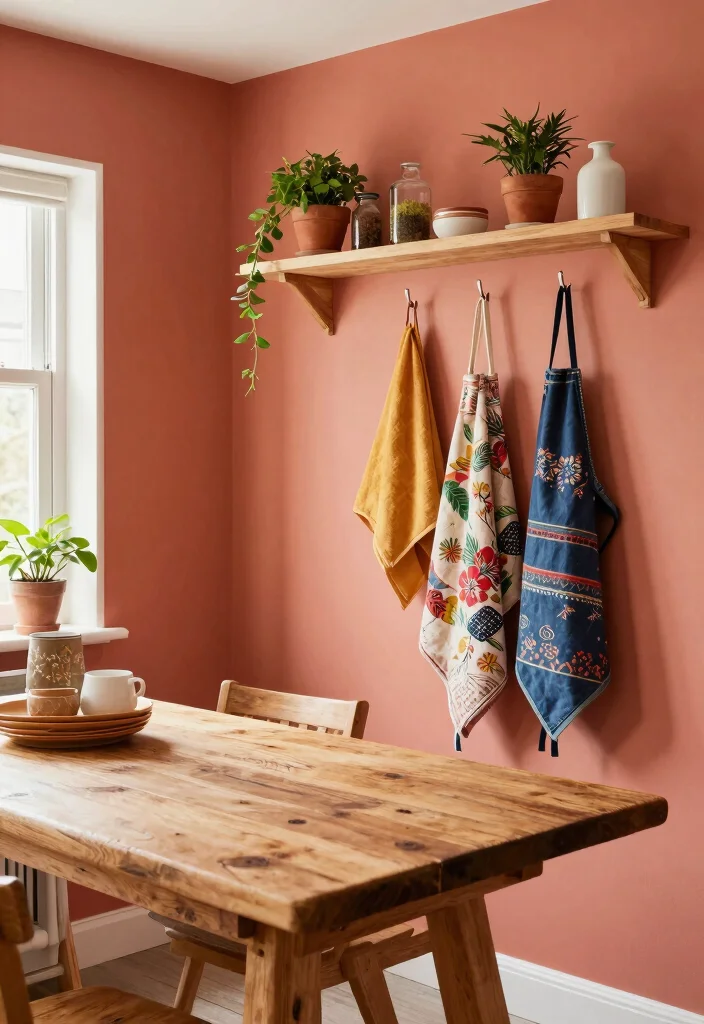
A warm color palette can instantly transform your kitchen into a cozy haven. Soft yellows, terracotta, and warm beige tones invite comfort and cheer, making your space feel inviting. You can introduce these hues through paint, backsplashes, or decorative elements, creating a harmonious atmosphere when paired with natural wood and greenery.
These warm colors enhance the kitchen’s overall comfort and style, and they work beautifully in both rustic and modern designs. Accentuate the warmth with textiles like kitchen towels and aprons that echo your chosen colors.
Explore these ideas to incorporate warm tones:
– Use terracotta tiles as a stunning backsplash
– Opt for warm-toned paint on the walls
– Add colorful kitchen textiles for a cohesive look
This approach fosters a welcoming environment. The rich textures and warm tones create a comforting space that feels like home.
4. Natural Fiber Rugs
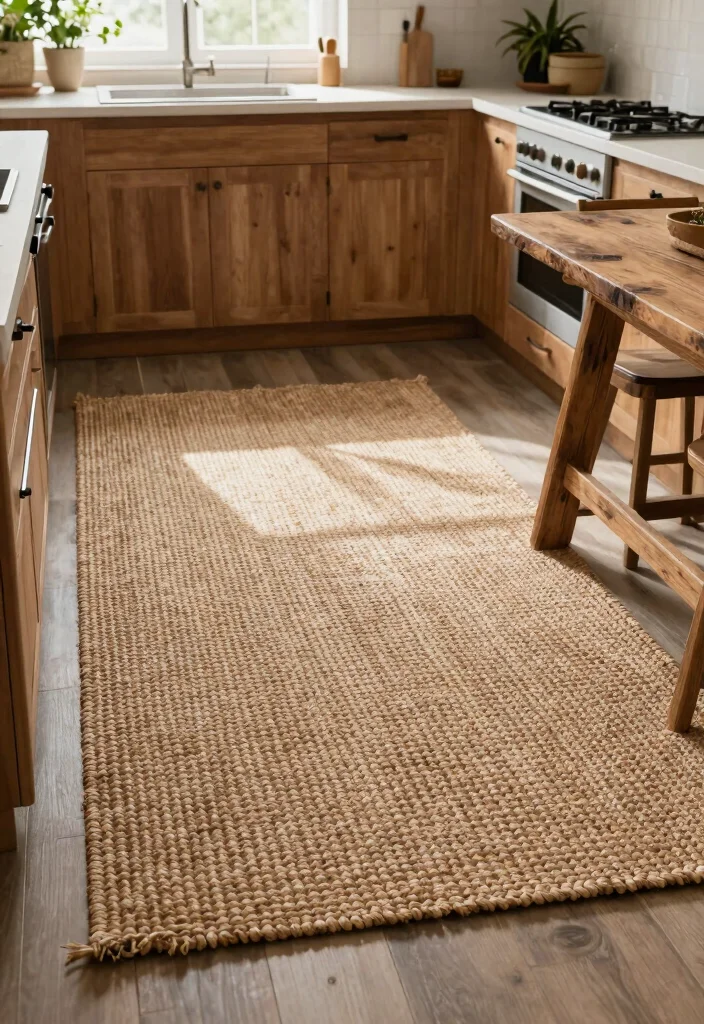
Incorporating natural fiber rugs can enhance both comfort and visual appeal in your kitchen. Rugs made from jute, sisal, or cotton offer durability and an organic feel, softening the hard surfaces in your space. These materials not only add warmth but also contribute to a welcoming atmosphere.
Strategically placing rugs can create cozy nooks, especially under the kitchen table or near the sink. Choose rugs that fit your color scheme and are resistant to stains for practical elegance.
Consider these suggestions for choosing natural fiber rugs:
– Place a jute rug under the dining table for warmth
– Select sisal rugs that are easy to clean
– Look for cotton rugs in colors that match your décor
This addition enhances the overall design. The natural textures break up hard surfaces and add a layer of comfort to your kitchen.
5. Indoor Herb Gardens
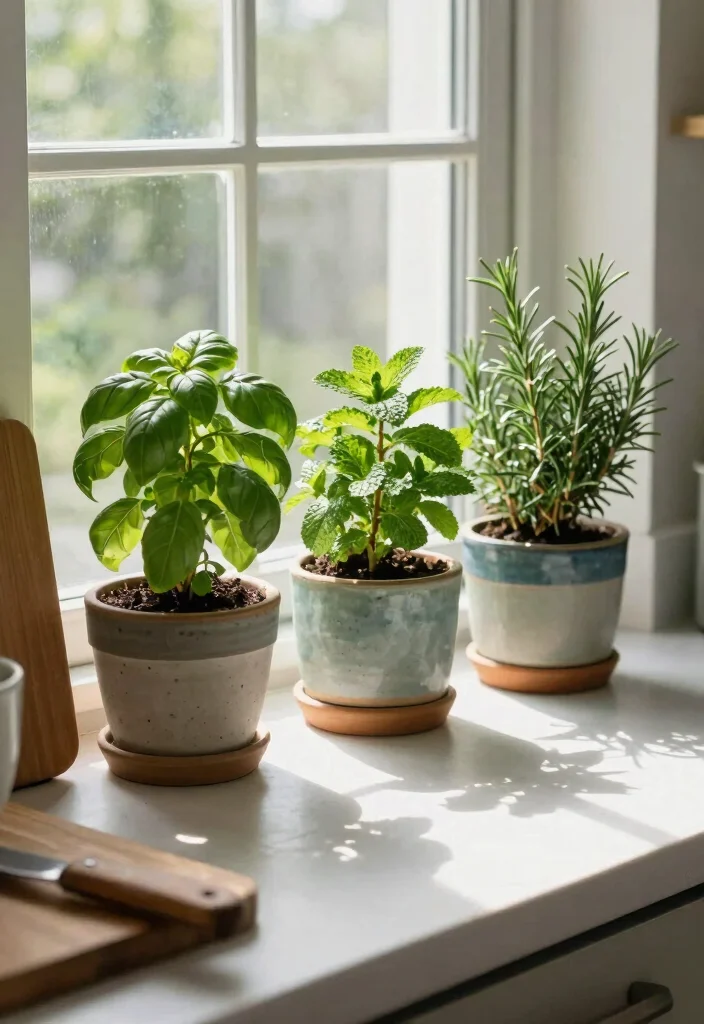
Creating an indoor herb garden brings vibrant life and fresh flavors into your kitchen. Herbs like basil, rosemary, and mint thrive indoors, making them perfect for countertops or hanging planters. This sustainable practice not only reduces your reliance on store-bought herbs but also contributes to a lively atmosphere.
Position your herb garden near the cooking area for easy access while adding a touch of greenery to your space. Small pots or mason jars make charming displays that brighten your kitchen.
Explore these ideas for starting your herb garden:
– Use small pots for individual herbs on the counter
– Create a hanging planter for a vertical garden
– Position pots near sunlight for optimal growth
This approach enhances your kitchen’s charm. The fresh greenery not only beautifies the space but also improves air quality and adds delightful flavors to your meals.
Indoor Herb Gardens
Editor’s Choice


Key Trade-offs & Our Top Pick
Option 1: Reclaimed Wood Cabinets
– Pros:
✔ Adds a rustic charm to any kitchen.
✔ Made from sustainable materials, reducing waste.
– Cons:
⏱ Can be more expensive than standard cabinets.
⏱ Requires regular maintenance to keep them looking fresh.
– Best for: Homeowners looking to create a cozy, vintage feel in their kitchen.
Option 2: Eco-Friendly Countertops
– Pros:
✔ Available in various materials like bamboo and recycled glass.
✔ Durable and easy to clean, providing longevity.
– Cons:
⏱ Some materials may be less resistant to heat and scratches.
⏱ Installation can be complex and might require professional help.
– Best for: Those wanting a stylish yet sustainable surface for food preparation.
Option 3: Natural Fiber Rugs
– Pros:
✔ Soft underfoot and adds warmth to your kitchen.
✔ Made from sustainable materials, reducing environmental impact.
– Cons:
⏱ Can be challenging to clean if spills occur.
⏱ May not be as durable as synthetic options.
– Best for: Creating a cozy atmosphere while being eco-conscious.
Option 4: Indoor Herb Gardens
– Pros:
✔ Provides fresh herbs for cooking, enhancing flavor.
✔ Adds greenery and life to your kitchen space.
– Cons:
⏱ Requires consistent care, including watering and sunlight.
⏱ Might take up counter space in smaller kitchens.
– Best for: Home cooks who want to incorporate fresh ingredients into their meals.
Option 5: Upcycled Kitchen Accessories
– Pros:
✔ Unique and often one-of-a-kind pieces that tell a story.
✔ Keeps materials out of landfills, promoting sustainability.
– Cons:
⏱ Quality can vary significantly between pieces.
⏱ May require some DIY skills for repairs or refinishing.
– Best for: Those who love to add character and personalization to their kitchen.
Expert Recommendation:
Best Overall: Reclaimed Wood Cabinets
Reclaimed wood cabinets stand out as the top choice for many homeowners. They offer a timeless, rustic charm that effortlessly enhances the kitchen’s aesthetic. The use of sustainable materials means you’re making an eco-friendly option that is both stylish and durable. While the initial cost may be higher, the long-term value and unique character they provide are worth the investment.
Why We Picked This:
While reclaimed wood cabinets are our top pick, you might prefer other options based on your needs. If you’re on a tighter budget, natural fiber rugs or upcycled accessories could be more suitable. For those who prioritize functionality in food preparation, eco-friendly countertops may be the best fit. Each option offers a unique way to create a natural kitchen infused with warm organic touches. Choose what aligns best with your personal style and kitchen needs!
6. Upcycled Kitchen Accessories
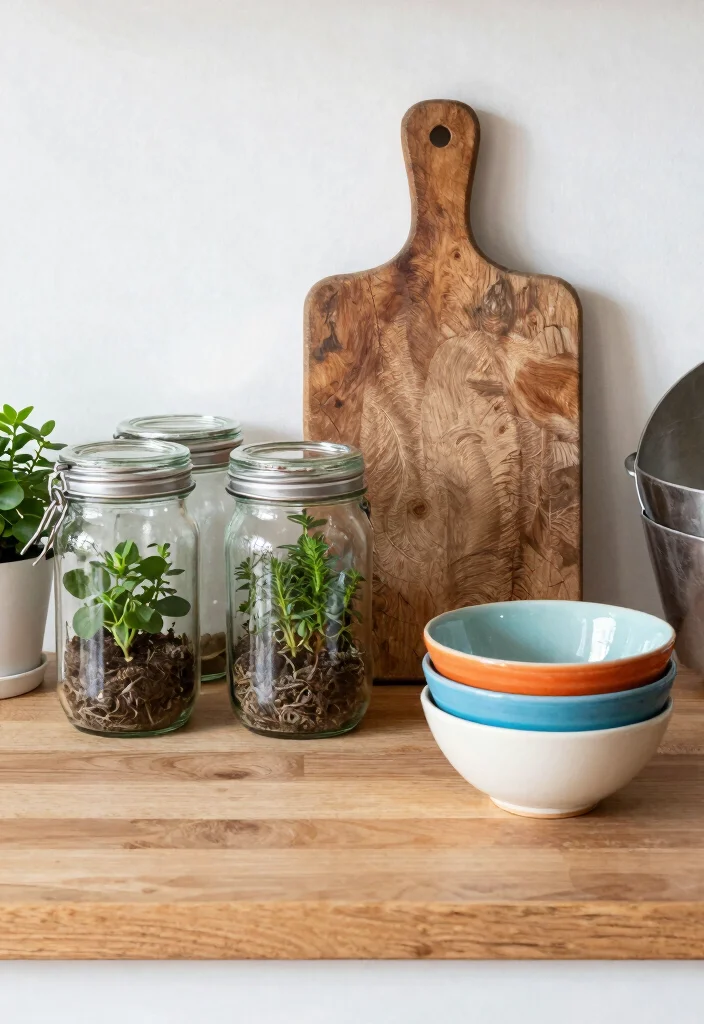
Upcycling kitchen accessories is a creative way to add unique character while being environmentally conscious. Transform old jars into stylish storage containers or repurpose vintage cutting boards as serving trays. This method not only helps reduce waste but also tells a story through each piece.
Scour thrift stores, yard sales, or even your own home for items that can be revitalized with a little creativity. This approach is not only cost-effective but also adds a personal touch to your kitchen decor.
Consider these upcycling ideas:
– Transform old jars into chic storage solutions
– Use vintage cutting boards as decorative trays
– Paint or stain old accessories for a fresh look
This approach brings individuality to your kitchen. Each upcycled piece adds charm and character, creating a space that reflects your personal style.
7. Natural Light Enhancements
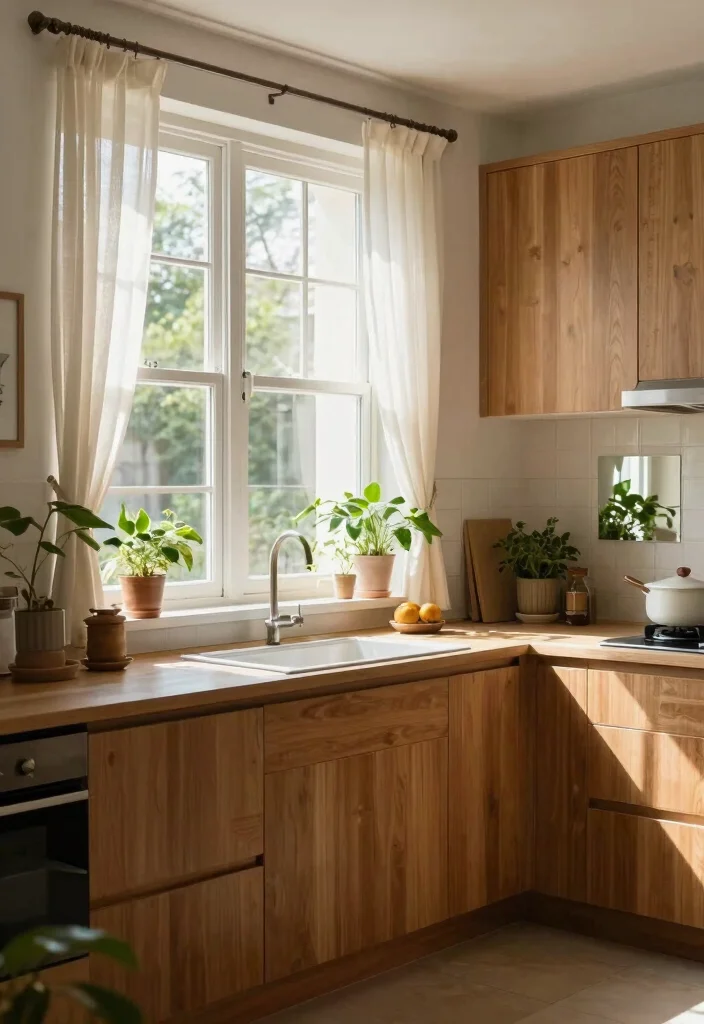
Maximizing natural light is key to creating a warm and inviting kitchen. Large windows, glass doors, and strategically placed mirrors can help you achieve this goal, enhancing the overall atmosphere while reducing energy consumption. Natural light elevates mood and makes the space feel more open and airy.
Consider installing skylights or using sheer curtains to allow soft light to filter in. Mirrors can play a pivotal role in reflecting light and creating depth in your kitchen.
Enhance your natural light with these tips:
– Use sheer curtains to let light in while maintaining privacy
– Install skylights for additional brightness
– Position mirrors to reflect natural light effectively
This method creates a cheerful environment. The abundance of natural light not only uplifts the space but also highlights the beauty of your kitchen materials.
Fun fact: maximizing natural light in your kitchen can cut energy use by up to 25%. Bright windows, skylights, and mirrors also boost mood and make the space feel more open. Try a few simple tweaks to bring warm, natural kitchen ideas home.
Natural Light Enhancements
Editor’s Choice





8. Organic Textiles
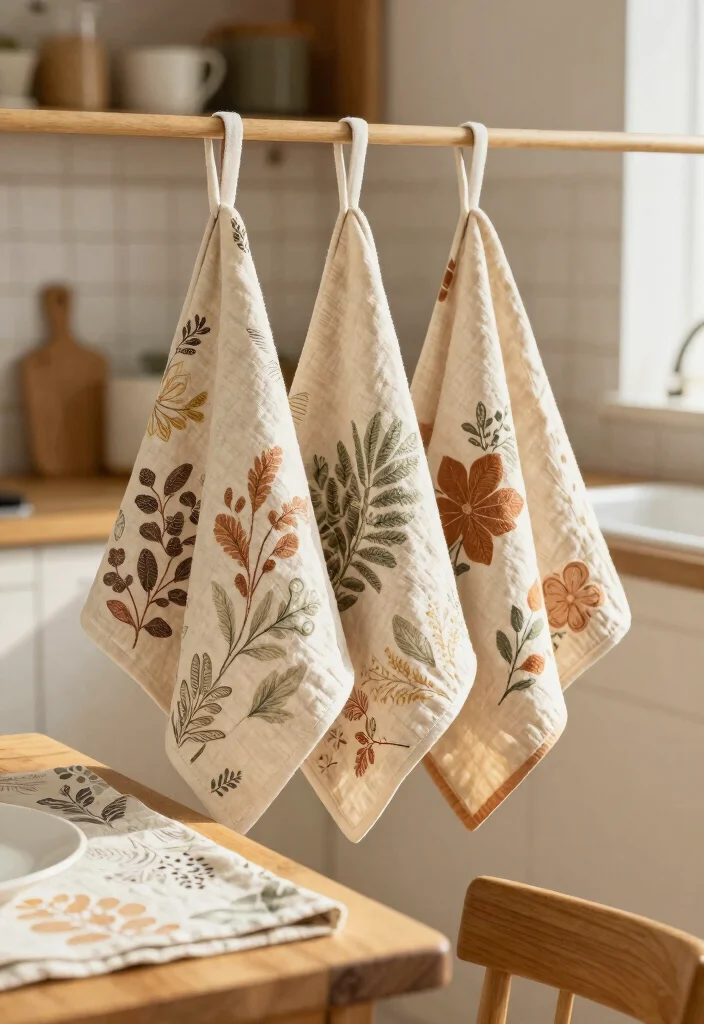
Incorporating organic textiles into your kitchen enhances both comfort and style. Opt for organic cotton or linen for dish towels, aprons, and table linens that are sustainable and durable. These materials not only feel soft against your skin but also add a refined touch to your kitchen décor.
Select textiles that echo your kitchen’s color palette to create a coherent look. Using matching or coordinated textiles can unify your space and enhance its overall aesthetic.
Consider these ideas for incorporating organic textiles:
– Use organic cotton dish towels for functionality and style
– Choose linen table linens for a sophisticated touch
– Coordinate colors to match your kitchen theme
This choice elevates your kitchen’s design. The natural quality of these textiles contributes to a healthier environment while adding a layer of elegance.
Did you know organic cotton towels use up to 91% less water than conventional cotton? For natural kitchen ideas, swap in linen and organic textiles—aprons, towels, and table linens that feel soft, wear well, and keep your eco-friendly decor cohesive.
Organic Textiles
Editor’s Choice


9. Natural Wall Art
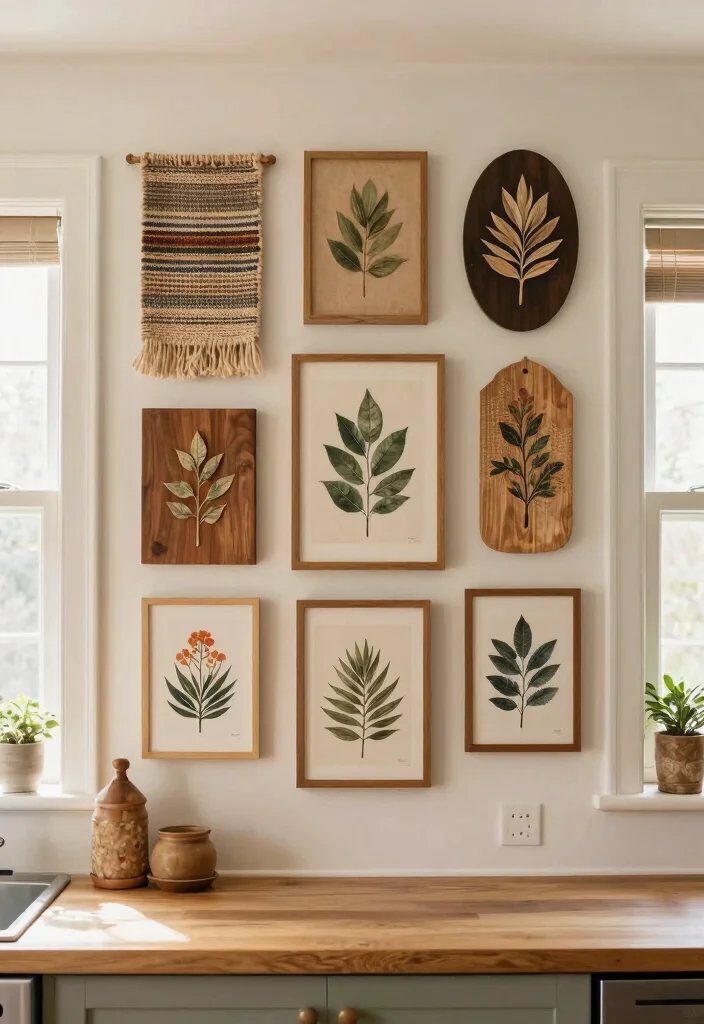
Adding natural wall art can create a captivating focal point in your kitchen. Consider pieces made from wood, woven materials, or botanical prints to enhance your kitchen’s organic theme. Art that reflects nature’s beauty not only elevates the décor but also contributes to a calming atmosphere.
Seek local artisans or craft fairs for unique pieces that resonate with your personal style. The right artwork can make your kitchen feel more inviting and vibrant.
Explore these ideas for natural wall art:
– Choose wood art pieces to enhance the organic feel
– Incorporate botanical prints for a fresh look
– Group smaller artworks for a gallery wall effect
This approach enriches your kitchen’s ambiance. The natural elements in artwork provide a soothing touch, making the space feel more connected to nature.
Fun fact: just one natural wall art piece, like an 8×10 wood print, can transform your kitchen mood in minutes. Look for wood, woven textures, or botanical prints to enhance your natural kitchen ideas with eco-friendly materials and a calming vibe.
10. Rustic Open Shelving
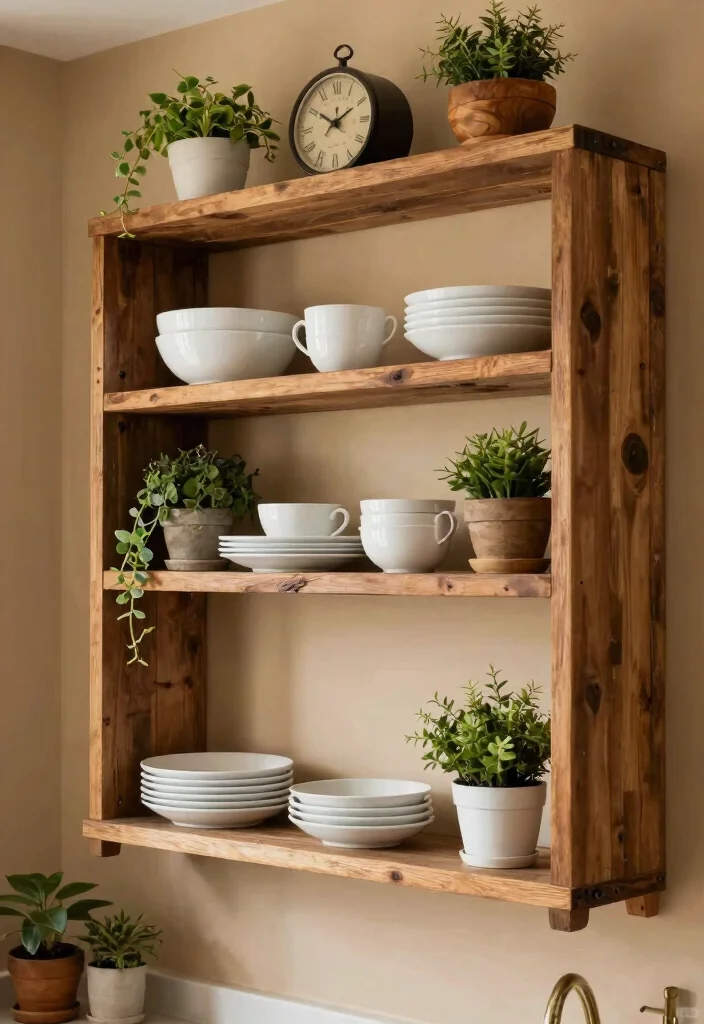
Rustic open shelving transforms your kitchen by providing a platform to showcase dishware and decor while keeping essentials easily accessible. Made from reclaimed wood or metal pipes, these shelves lend an authentic, organic feel to your space. Open shelving reduces visual clutter and encourages organization.
Mix different materials for a unique aesthetic, such as pairing wood shelves with metal brackets. Ensure your shelves are securely mounted for safety and functionality.
Consider these tips for styling rustic open shelving:
– Balance displayed items for visual interest
– Use decorative baskets for small item storage
– Incorporate plants for a touch of greenery
This design choice enhances your kitchen’s character. Open shelving not only showcases your style but also promotes a more inviting and organized space.
11. Natural Stone Features
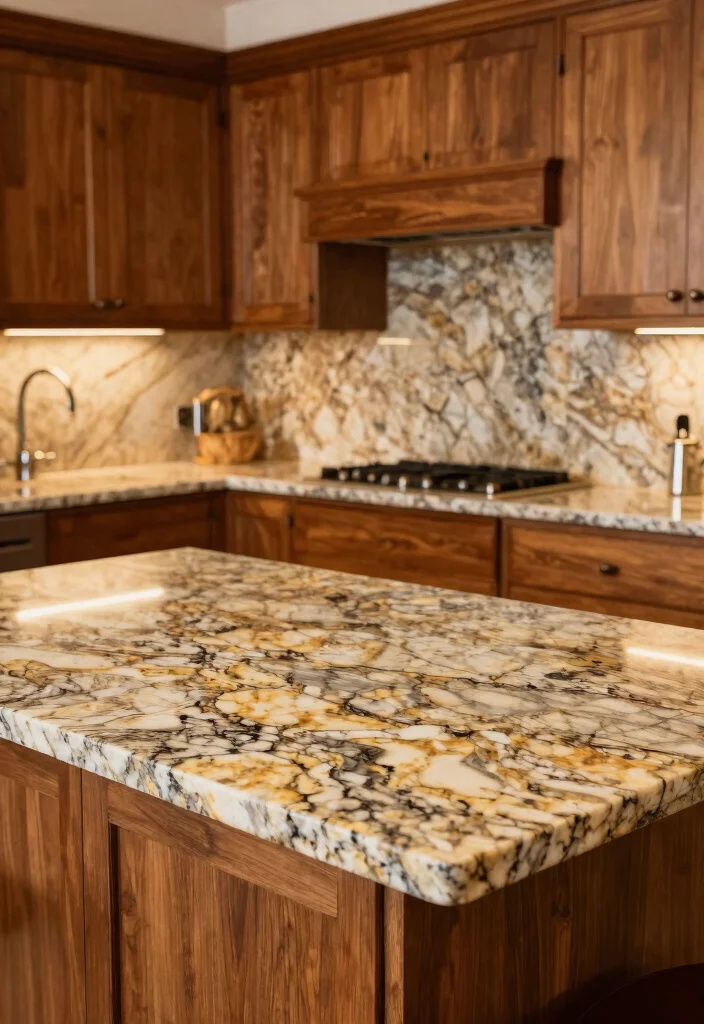
Incorporating natural stone into your kitchen design elevates its aesthetics while offering remarkable durability. Materials like granite, soapstone, and limestone provide stunning surfaces for countertops or backsplashes. Each stone boasts unique colors and patterns, making every piece one-of-a-kind.
Pair natural stone countertops with wooden cabinets and warm accents for a balanced look. The tactile quality of stone adds depth and richness to your kitchen.
Explore these ideas for natural stone features:
– Choose granite for a timeless, durable countertop
– Use limestone for a soft, inviting backsplash
– Pair stone with warm wood for contrast
This approach enhances your kitchen’s luxury. The natural beauty of stone adds sophistication and elevates the overall design.
Natural Stone Features
Editor’s Choice

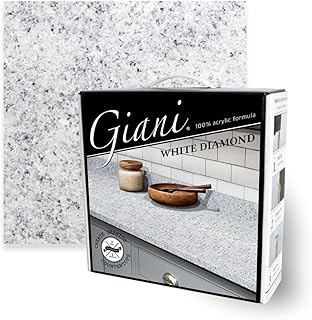

White Marble Tile – Kitchen & Bathroom Backsplash – Real Stone Wall Panels


12. Biophilic Design Elements
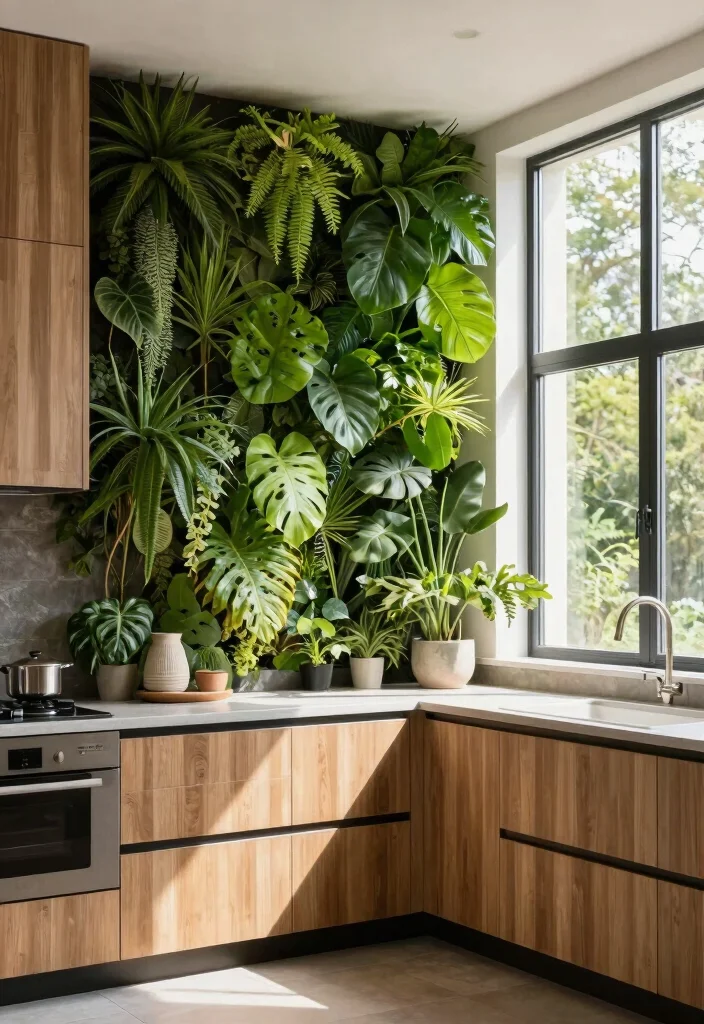
Integrating biophilic design elements into your kitchen fosters a deeper connection to nature. Large windows, living walls, and natural textures are key features that bring the outdoors in, promoting well-being and serenity. This approach enhances your kitchen’s ambiance while improving air quality.
Consider incorporating vertical gardens or potted plants throughout your kitchen for a refreshing touch. Natural materials like stone or wood can also enhance the feeling of continuity with nature.
Explore these ideas for biophilic design:
– Add vertical gardens for a lush green look
– Use potted plants to bring life into your space
– Incorporate natural materials for a cohesive design
This design choice creates an inviting atmosphere. The connection to nature not only uplifts your mood but also enriches your kitchen’s overall aesthetic.
Conclusion
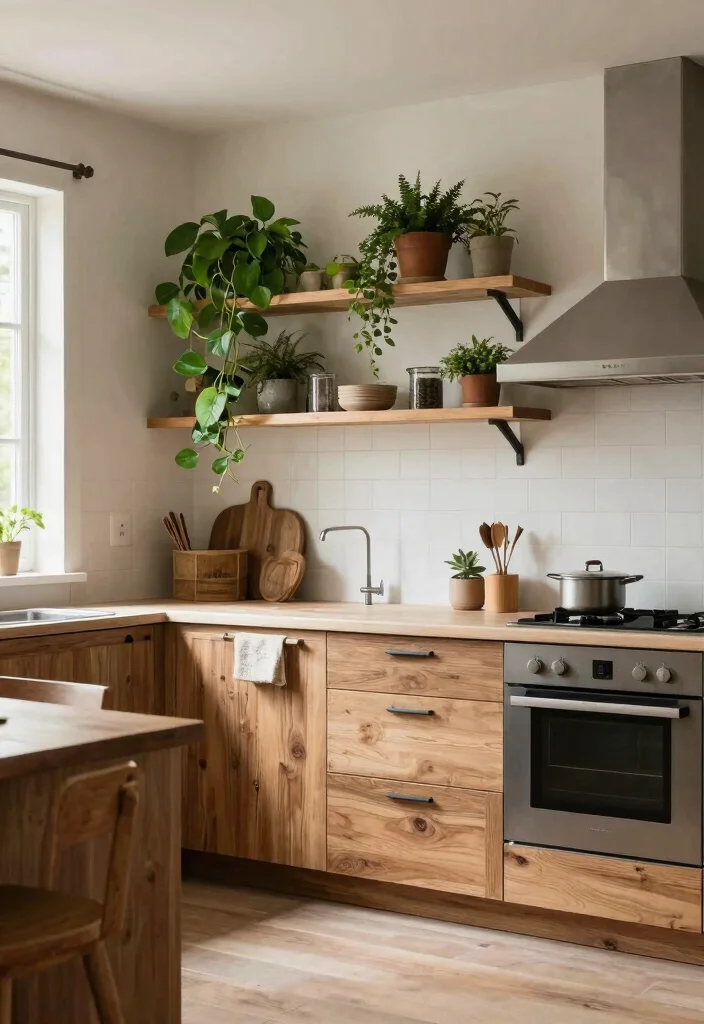
Transforming your kitchen with natural and warm organic touches can create a space that feels both inviting and sustainable. From reclaimed materials to lush greenery, each idea contributes to a harmonious kitchen environment.
Consider which elements resonate most with your style and lifestyle, and start infusing your space with nature’s beauty today. Don’t shy away from experimenting with different combinations to find what feels right for you.
Note: We aim to provide accurate product links, but some may occasionally expire or become unavailable. If this happens, please search directly on Amazon for the product or a suitable alternative.
This post contains Amazon affiliate links, meaning we may earn a small commission if you purchase through our links, at no extra cost to you.
Frequently Asked Questions
What are practical natural kitchen ideas to create a warm, organic feel using sustainable materials?
Start with core pieces in sustainable materials like bamboo cutting boards, cork flooring, or a reclaimed wood island. Pair them with a warm color palette of earthy neutrals and terracotta accents, and weave in textures like linen and jute to boost the natural feel. Finish with simple, eco-friendly accents such as glass jars, recycled metal canisters, and upcycled containers to keep the look cohesive.
How can I mix a warm color palette with organic kitchen decor in a small kitchen?
Choose a base of warm neutrals (cream, soft beige) and add pops of terracotta or sage green in small, purposeful ways. Use organic kitchen decor items like bamboo utensils, linen dish towels, and cork bulletin boards to reinforce the theme without crowding the space. Maximize light and keep surfaces uncluttered to let the warm tones shine, which works beautifully with sustainable materials and a rustic kitchen design vibe.
What sustainable materials are best for a rustic kitchen design and everyday durability?
Look for materials that are both sturdy and eco-friendly: reclaimed wood cabinets or shelves, FSC-certified wood, terrazzo or recycled glass countertops, and bamboo or cork flooring. For backsplashes and surfaces, natural stone or ceramic with low-VOC glazes are great choices. For cookware and utensils, choose stainless steel, cast iron, or durable aluminum. These align with sustainable materials and rustic kitchen design while staying practical.
How do I incorporate eco-friendly accents that enhance a natural kitchen without looking cluttered?
Selective placement is everything. Use a few statement pieces—like a live-edge wood cutting board, a terracotta planter, or a linen-covered bulletin board—to reflect eco-friendly accents without overwhelming the space. Opt for natural-toned accessories that fit your warm color palette. Keep surfaces clean and use hidden storage to maintain a calm, organic vibe.
What actionable tips exist to maintain a cozy, natural kitchen vibe with budget-friendly options?
Repurpose items you already own: sand and seal a wooden table top, repaint hardware in warm tones, or switch to cotton or linen textiles. Shop secondhand for rustic pieces like a freestanding shelf or a wire rack made from recycled metal. Choose durable, low-VOC paints and sealants to protect surfaces and preserve natural kitchen ideas in the long run. This keeps things affordable and eco-friendly while staying true to organic kitchen decor and sustainable materials.